Pandharpur Wari
700 years of walking devotion - from Alandi to Pandharpur, 250km on foot, in the name of Vitthal.
What is the Pandharpur Wari?

The word Wari comes from the idea of a recurring visit or sacred turn - a promise to return to Pandharpur and seek Lord Vitthal’s darshan. A Warkari is one who undertakes this Wari, walking with faith, song, humility and devotion towards Mauli.
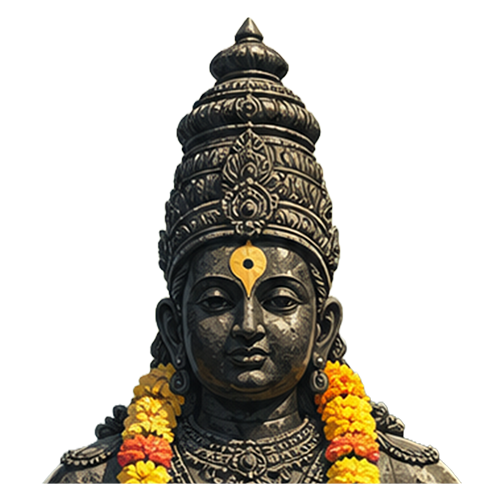
In the Warkari tradition, Vitthal is lovingly called Mauli, meaning mother. This makes devotion deeply personal and comforting. A mother does not ask for status, perfection, or ritual purity; she simply welcomes her child. Vitthal as Mauli offers unconditional belonging to every devotee.
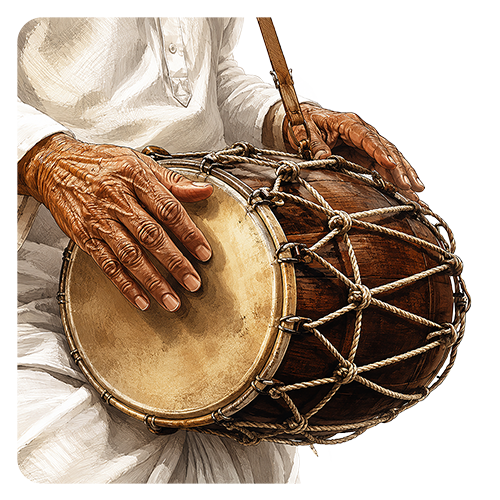
Warkaris are devotees who follow the path of Bhakti through simple living, Namasmaran, Abhangas, Seva & the annual journey to Pandharpur. Their tradition is rooted in equality, humility & community, where every pilgrim walks not only towards Vitthal but towards inner devotion.
700 Years of History
The saints who built and sustained the Wari tradition across centuries
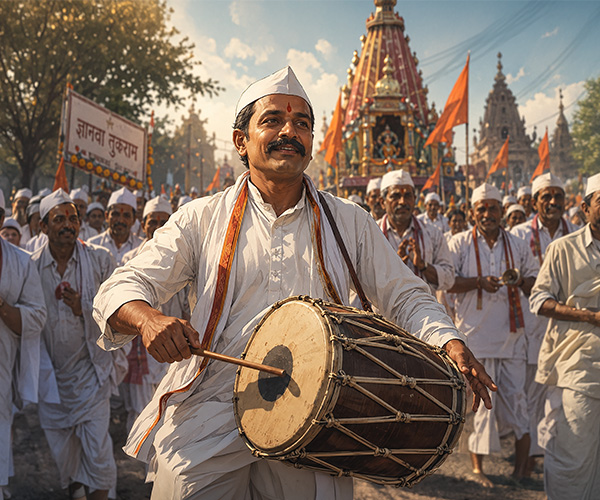
The Route - Alandi to Pandharpur
250 kilometres · 18 days · The path walked by millions
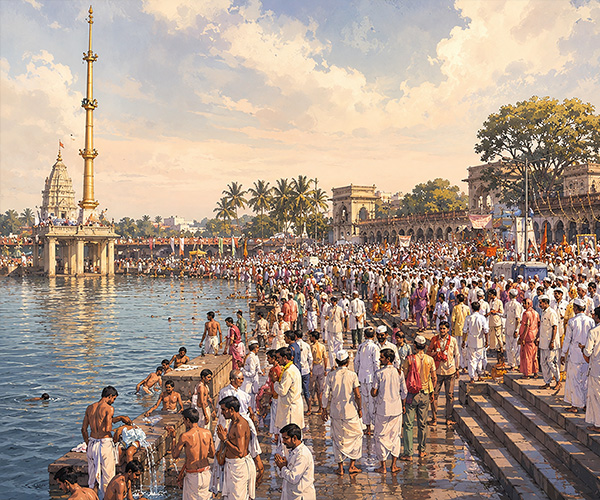
Alandi - the start
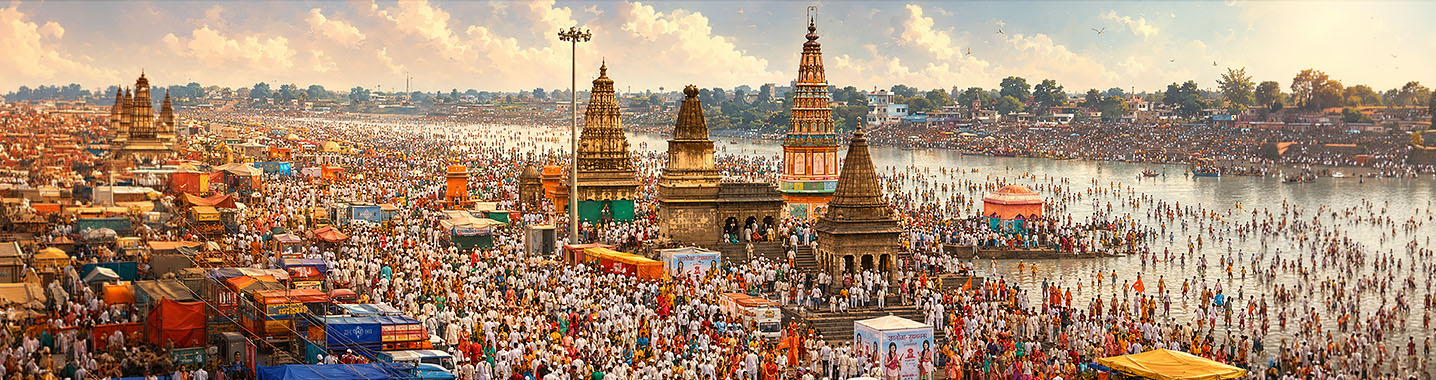
Pandharpur - the destination
How to Participate
A guide for first-time and returning Warkaris
A Dindi is a disciplined group of Warkaris who walk together as part of the larger Palkhi procession. Each Dindi has its own flag, musical rhythm, leadership, Bhajan schedule, and food arrangements, giving pilgrims identity, safety, and belonging on the road. A Dindi may include 50 devotees or several thousand. New pilgrims usually join through a registered Dindi from their village, town, community, temple, Math, or devotional group.
Carry a Tulsi mala, simple white or light cotton clothes, and comfortable footwear suited for long walking. Keep belongings minimal, with a water bottle, basic medicines, bandage, pain relief balm, and any personal prescriptions. Food and shelter are usually arranged through the Dindi, but dry snacks and ORS can help during the journey.
Ringan is one of the most powerful rituals of the Wari, usually performed at selected halts along the route. The Palkhi’s sacred horse circles a cleared ground while devotees bow with deep humility, seeking the dust touched by its hooves. This dust is received as a blessing, symbolising surrender, equality, and reverence for the saints’ presence.
A first-time Wari experience asks for both physical and mental readiness. Begin with regular walking practice, simple food habits, and comfortable footwear. Each day usually starts before sunrise with Paduka worship, followed by disciplined walking, Abhangas, short rests, meals through the Dindi, and evening Kirtans. Go with patience, humility, and an open heart.
The Wari brings together lakhs of pilgrims, with major Ashadhi gatherings at Pandharpur often crossing several lakh devotees. Along the route, it creates strong local activity through food stalls, transport, accommodation, medical support, puja items, and temporary services. For villages, the Wari becomes both a devotional honour and a seasonal community economy built around Seva.
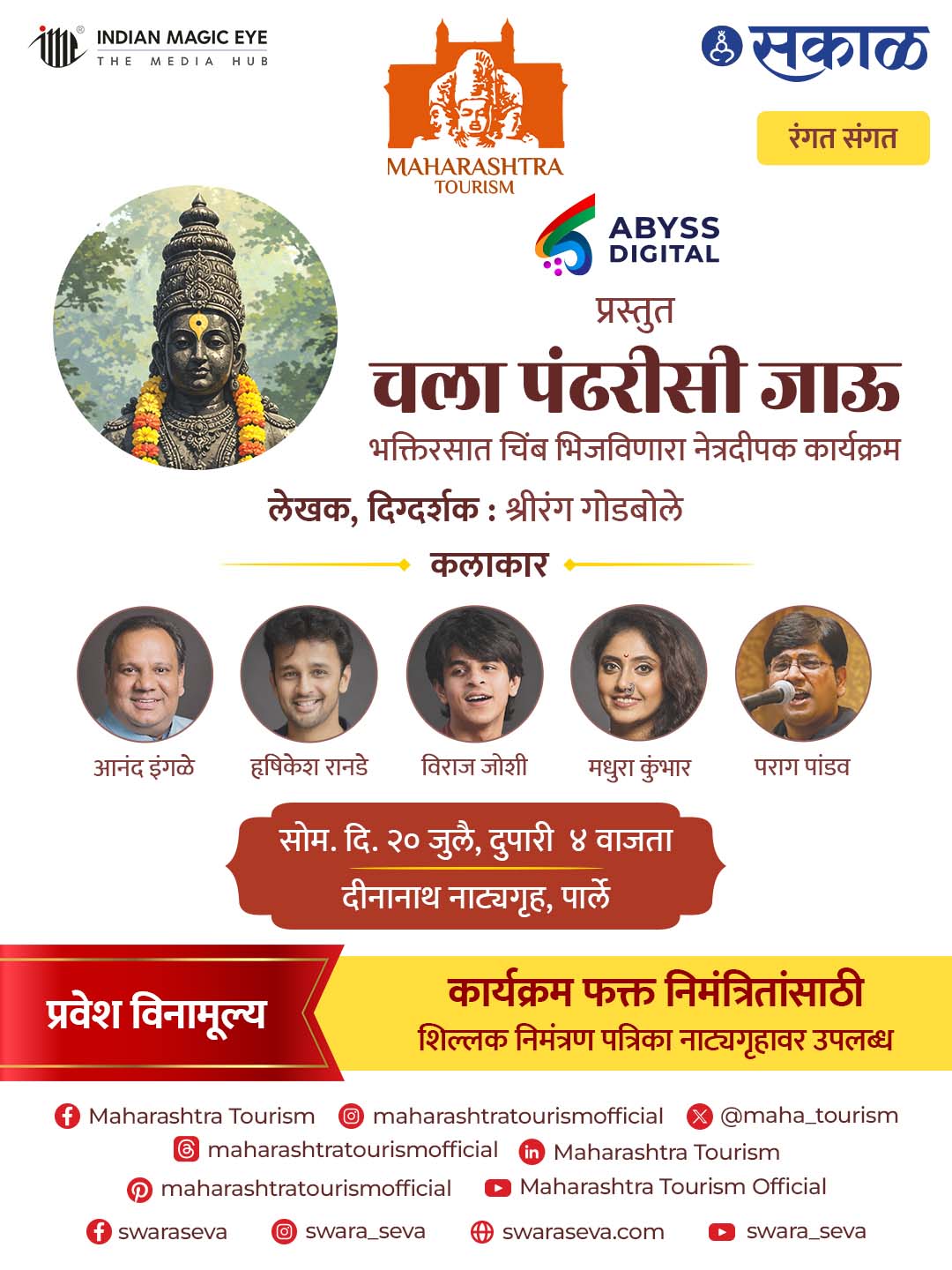
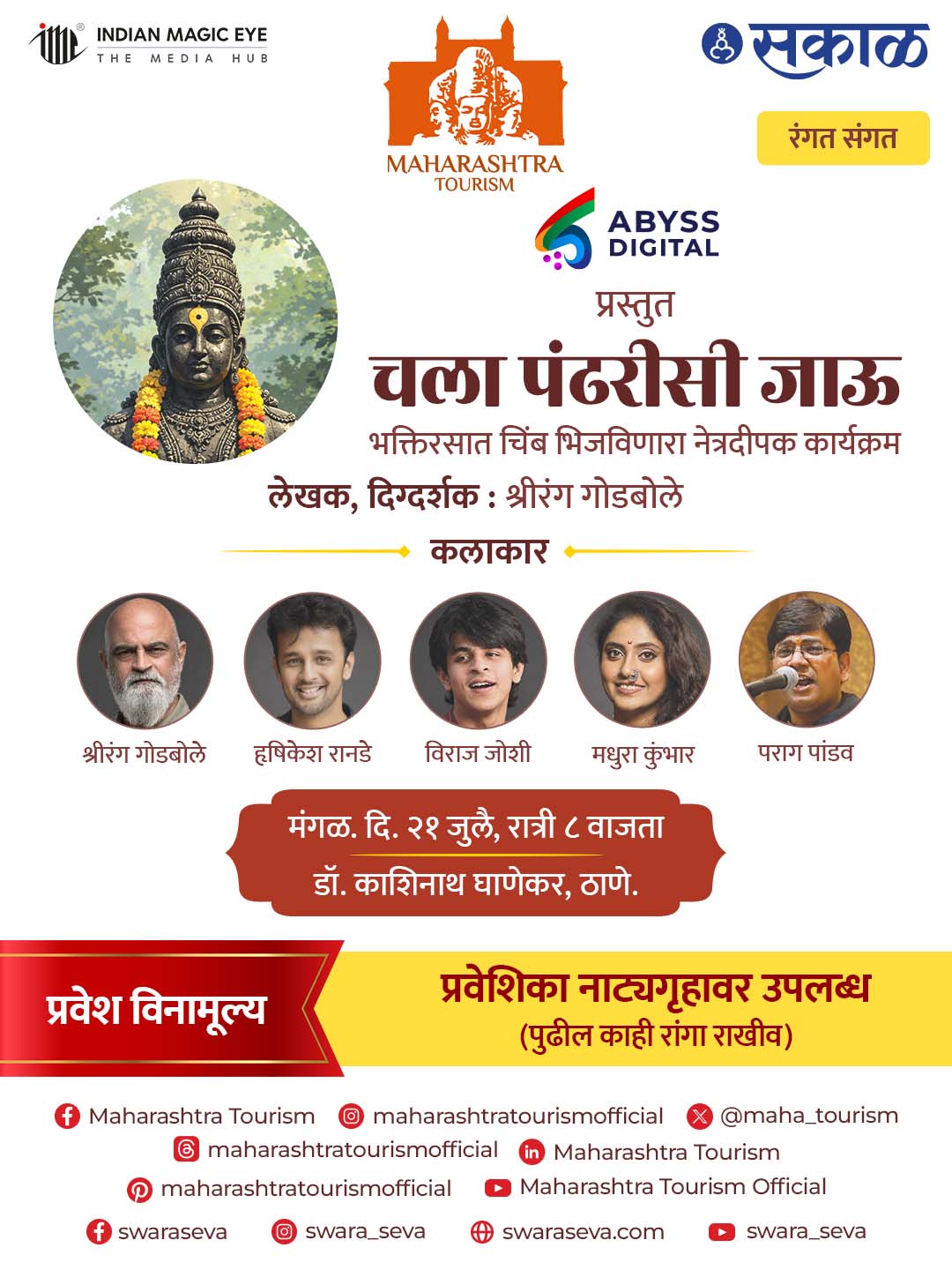
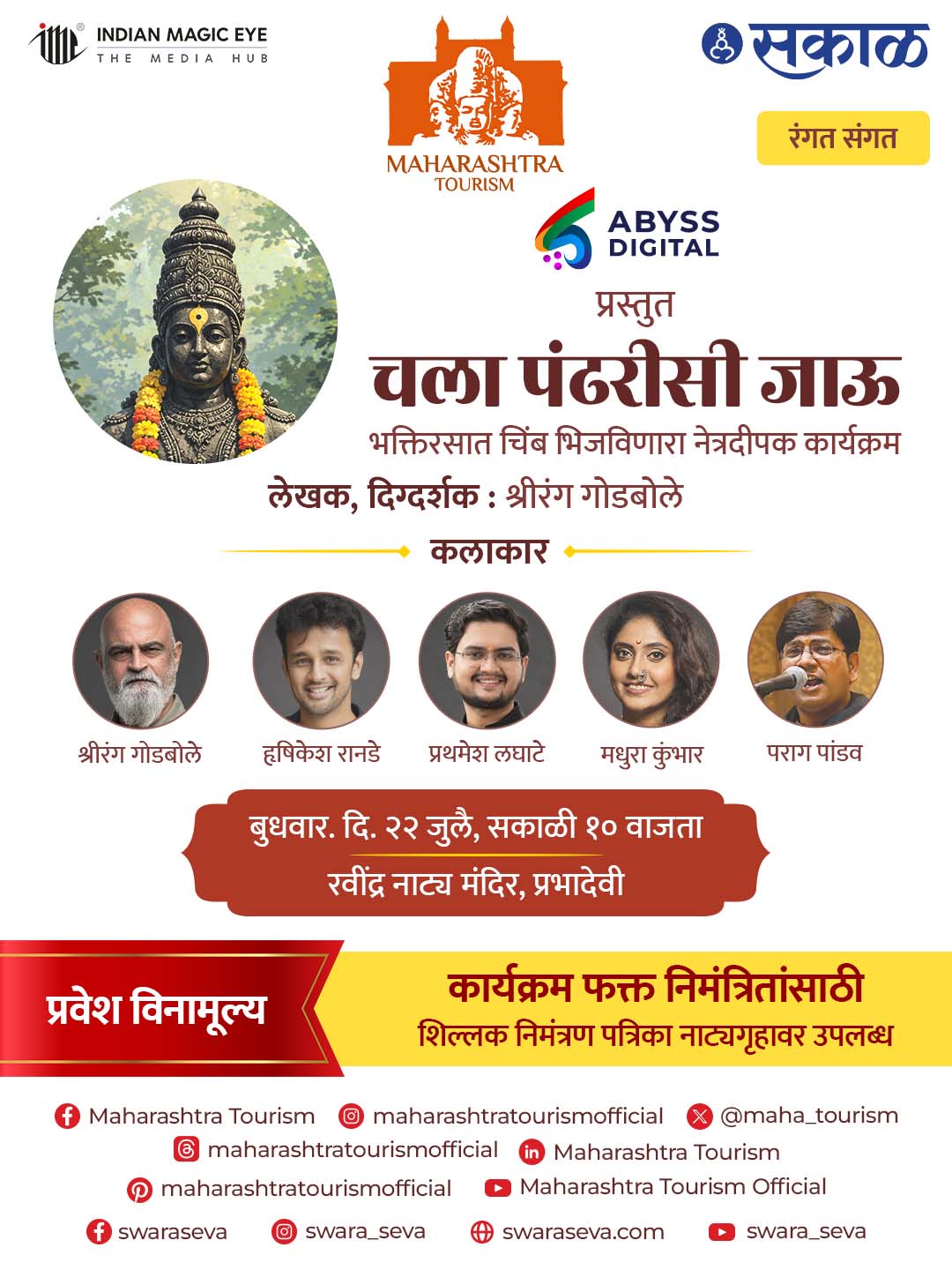
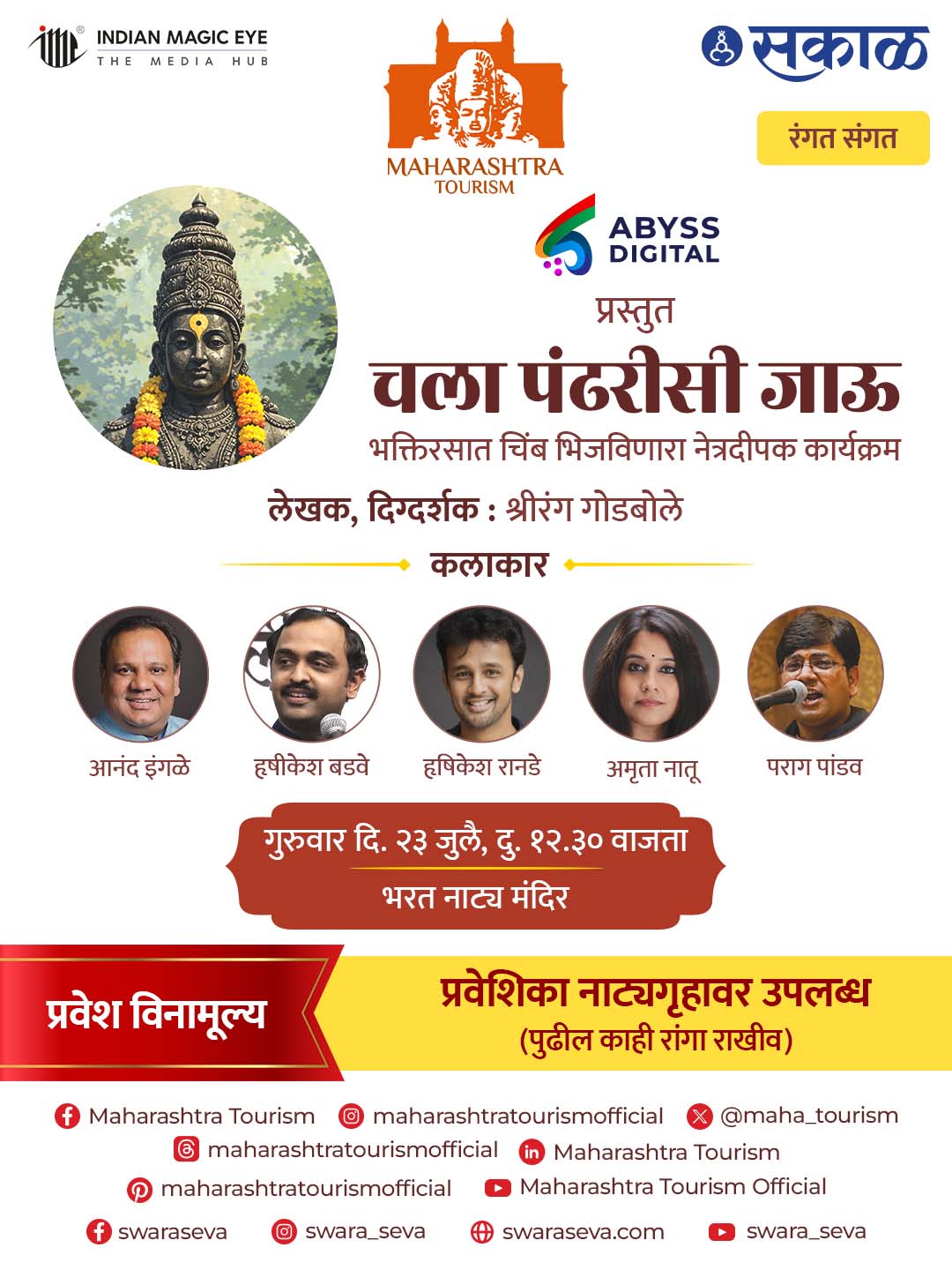
SwarSewa at the Wari 2026
Our special programme of music, kirtan and audio-visual experiences during the pilgrimage

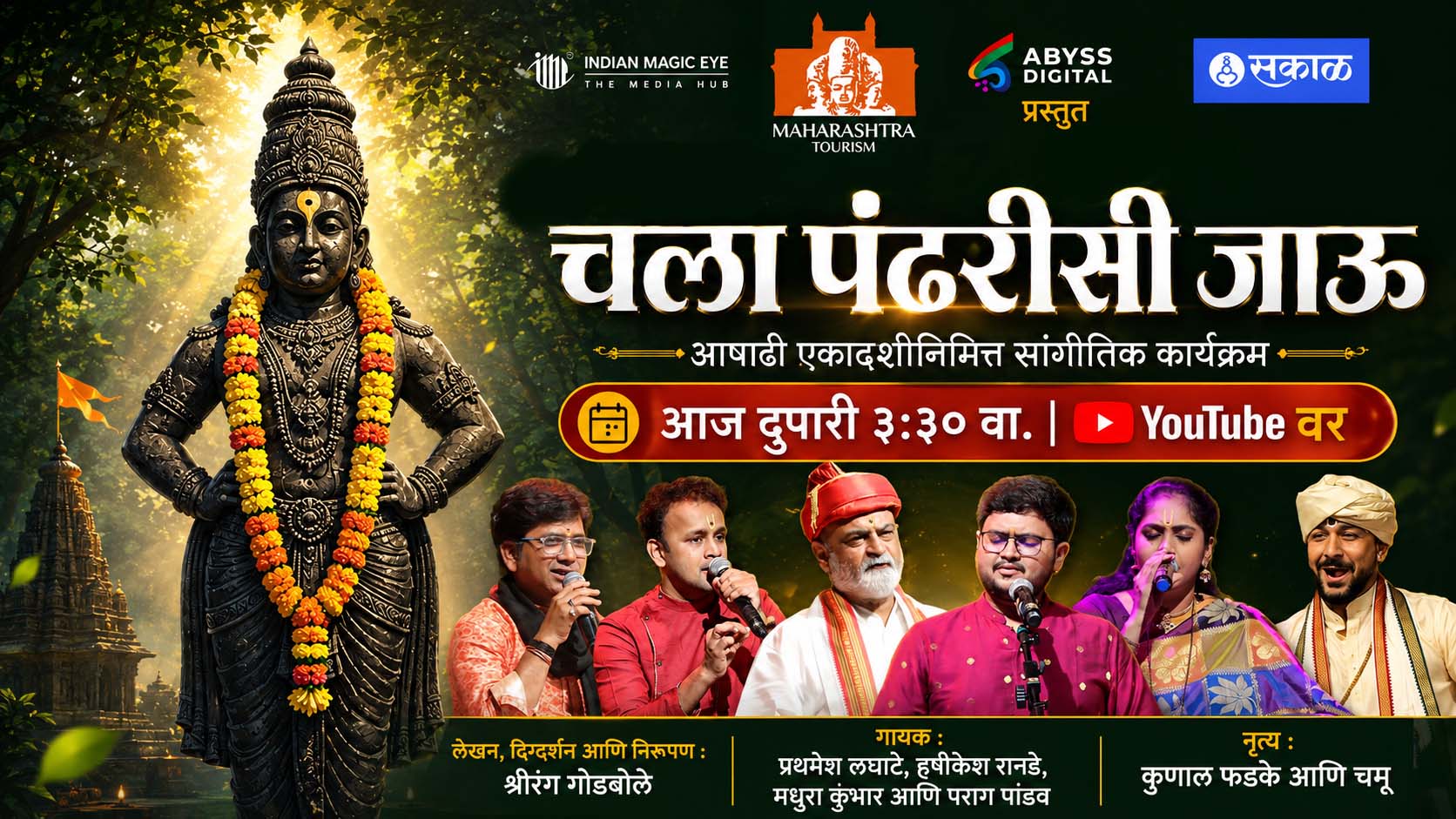
SwarSewa Wari Programme 2026